Cooperative Principles

Voluntary and Open Membership

Cooperatives are voluntary organizations, open to all persons able to use their services and willing to accept the responsibilities of membership, without gender, social, racial, political, or religious discrimination.

Articles of Incorporation Signed 

The general plan to start a co-op took shape on June 25, 1935. After encountering significant enthusiasm in public discussions, E.G. Denmead, Ed Duckworth, Samuel Lovett, Ralph Wade, C.C. Prall, and Melvin Sidesinger met and developed the petition, which would be carried by each man to every farm in Monroe Township. On December 16, 1935, the Logan County Cooperative Power and Light Association was incorporated

Image
Happy woman
Image
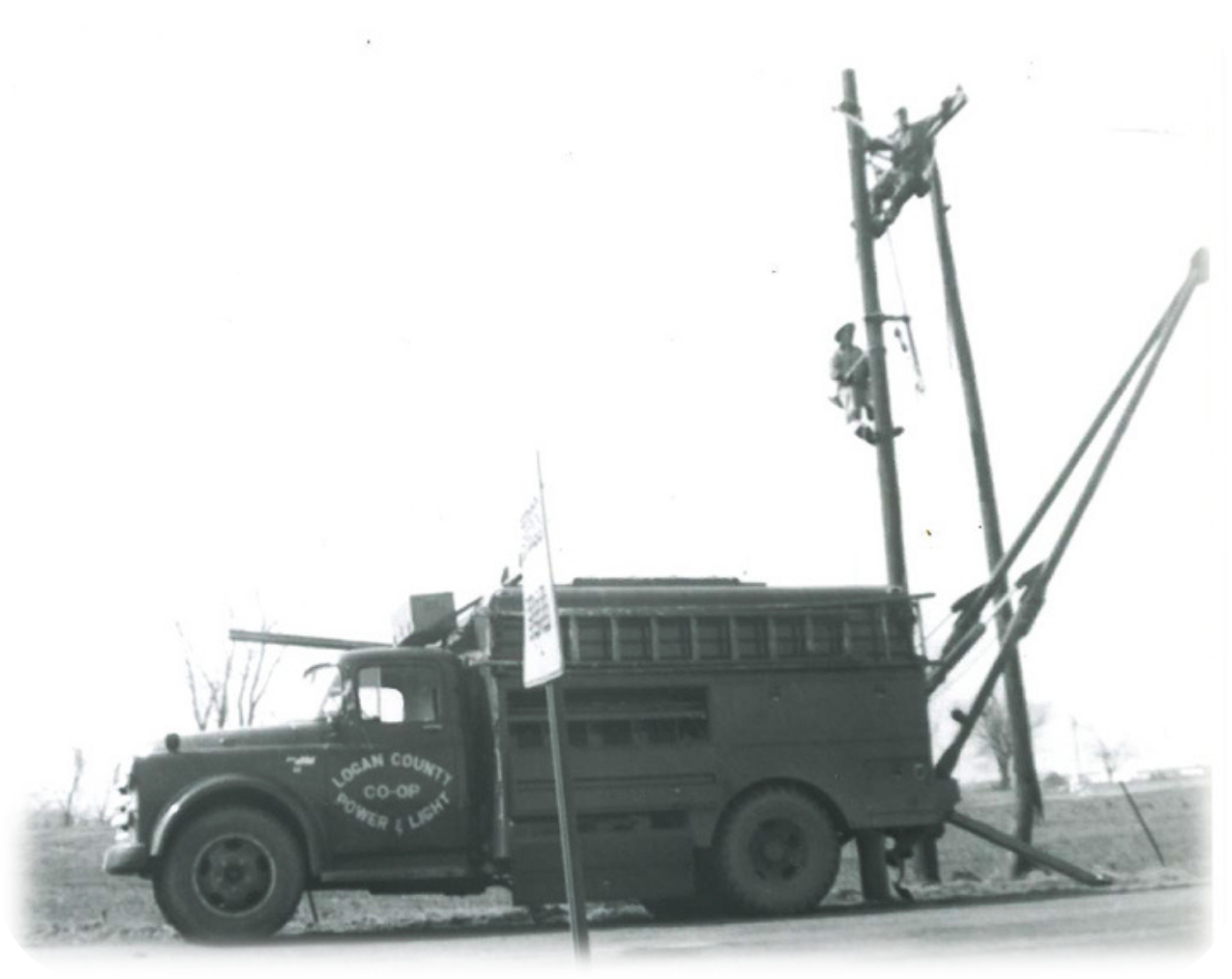
Old Truck

Democratic Member Control

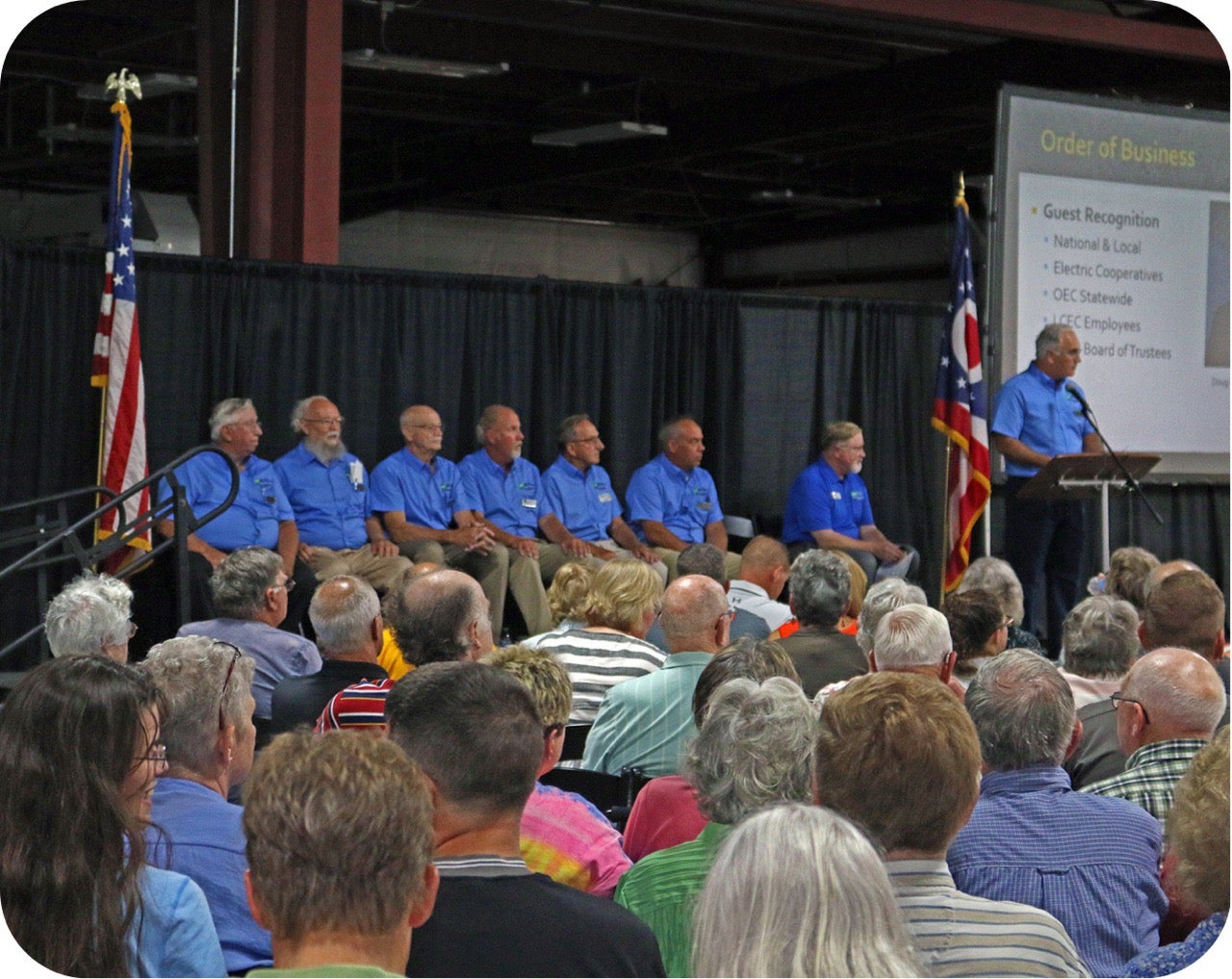
Cooperatives are democratic organizations controlled by their members, who actively participate in setting policies and making decisions. The elected representatives are accountable to the membership. In primary cooperatives, members have equal voting rights (one member, one vote) and cooperatives at other levels are organized in a democratic manner.

Members’ Economic Participation

Members contribute equitably to, and democratically control, the capital of their cooperative. At least part of that capital is usually the common property of the cooperative. Members usually receive limited compensation, if any, on capital subscribed as a condition of  membership. Members allocate surpluses for any or all of the following purposes: developing  the cooperative, possibly by setting up reserves, part of which at least would be indivisible; benefiting members in proportion to their transactions with the cooperative; and supporting  other activities approved by the membership.

Image
Members at Annual Meeting
Image
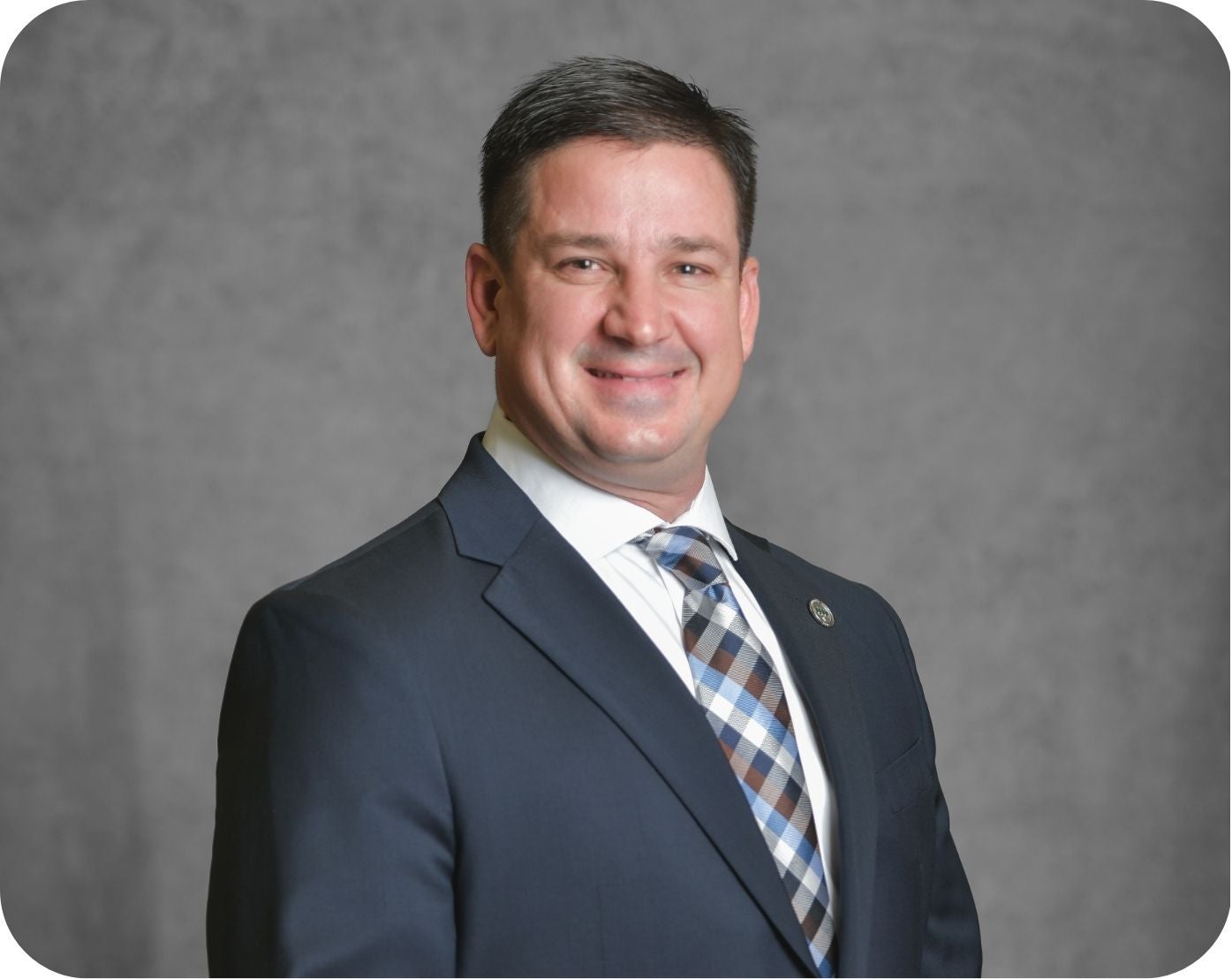
Tim Street

Autonomy and Independence

Cooperatives are autonomous, self-help organizations controlled by their members. If they  enter into agreements with other organizations, including governments, or raise capital from external sources, they do so on terms that ensure democratic control by their members and maintain their cooperative autonomy.

Local leadership is provided by Board Chairman Scott Hall and President & CEO Tim Street.

Education, Training, and Information

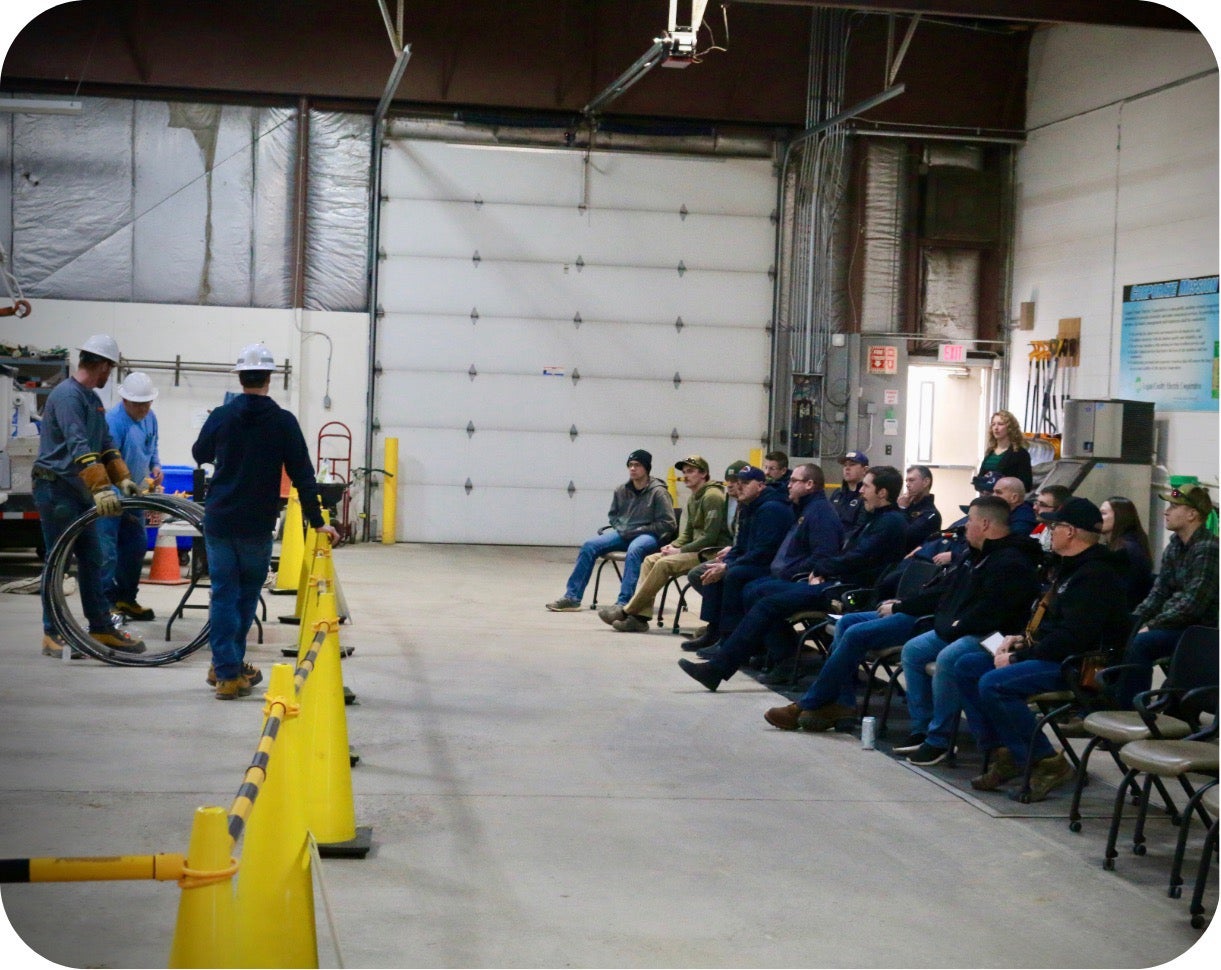
Cooperatives provide education and training for their members, elected representatives, managers, and employees so they can contribute effectively to the development of their cooperatives. They inform the general public, particularly young people and opinion leaders, about the nature and benefits of cooperation.

Image
Safety Demo with Fire Department
Image
Mutual Aid

Cooperation Among Cooperatives

Cooperatives serve their members most effectively and strengthen the cooperative movement by working together through local, national, regional, and international structures.

Our cooperative network: National Rural Electric Cooperative Association Ohio’s Electric Cooperatives National Rural Utilities Cooperative Finance Corporation Cooperative Response Center NRECA International America’s Electric Cooperatives PAC and more...

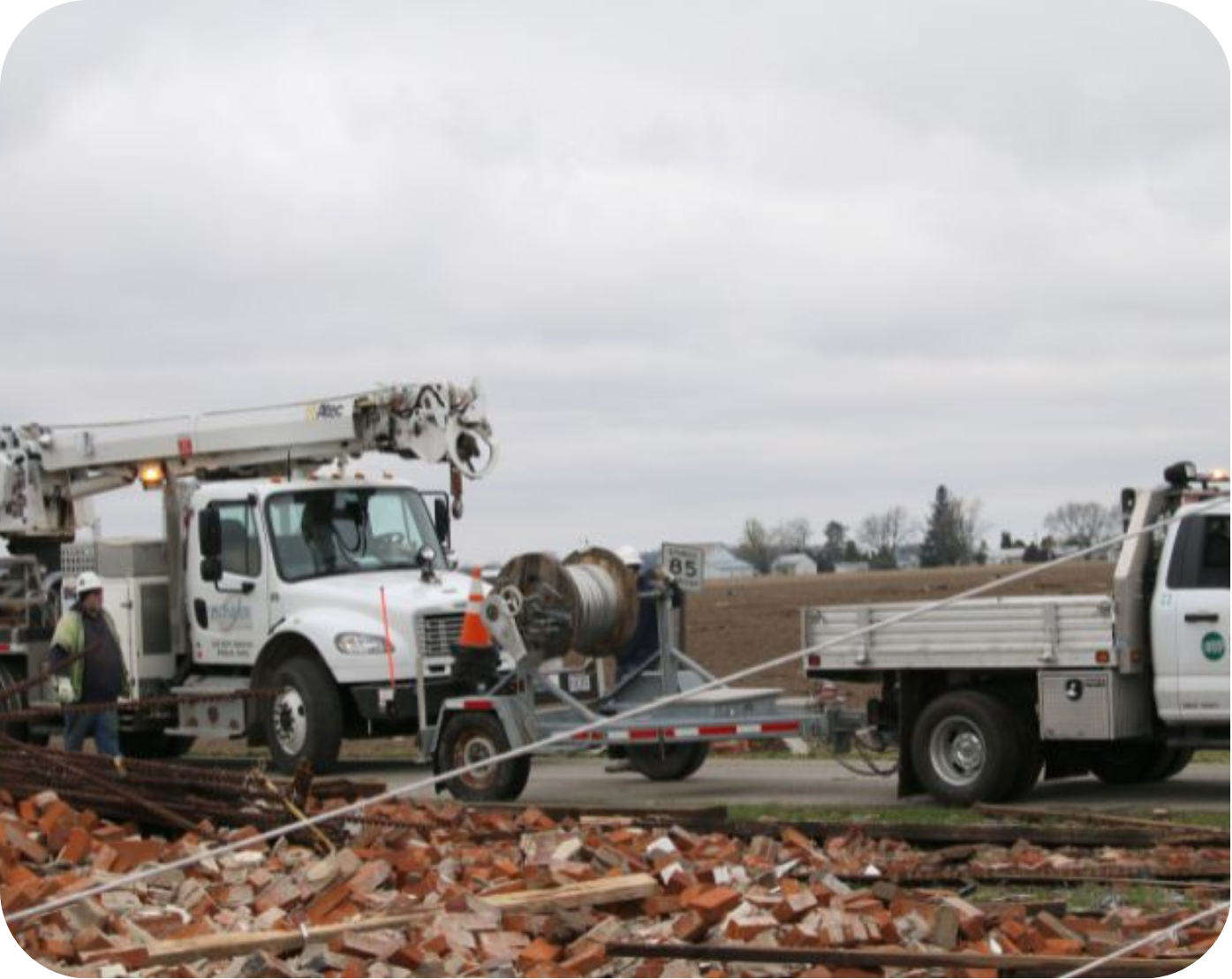
Logan County Electric Cooperative works with Pioneer Electric Cooperative and Mid-Ohio Energy Cooperative to restore power after devastating tornado in Lakeview, Ohio. 

Concern for Community

While focusing on member needs, cooperatives work for the sustainable development of their communities through policies accepted by their members.

You can find us at: United Way of Logan County, Logan County Chamber of Commerce, LUC Planning Commission, United Way Community Care Day, Christmas Parade, Operation Round Up, Touch A Truck event, Discovery Riders, and more... 

Image
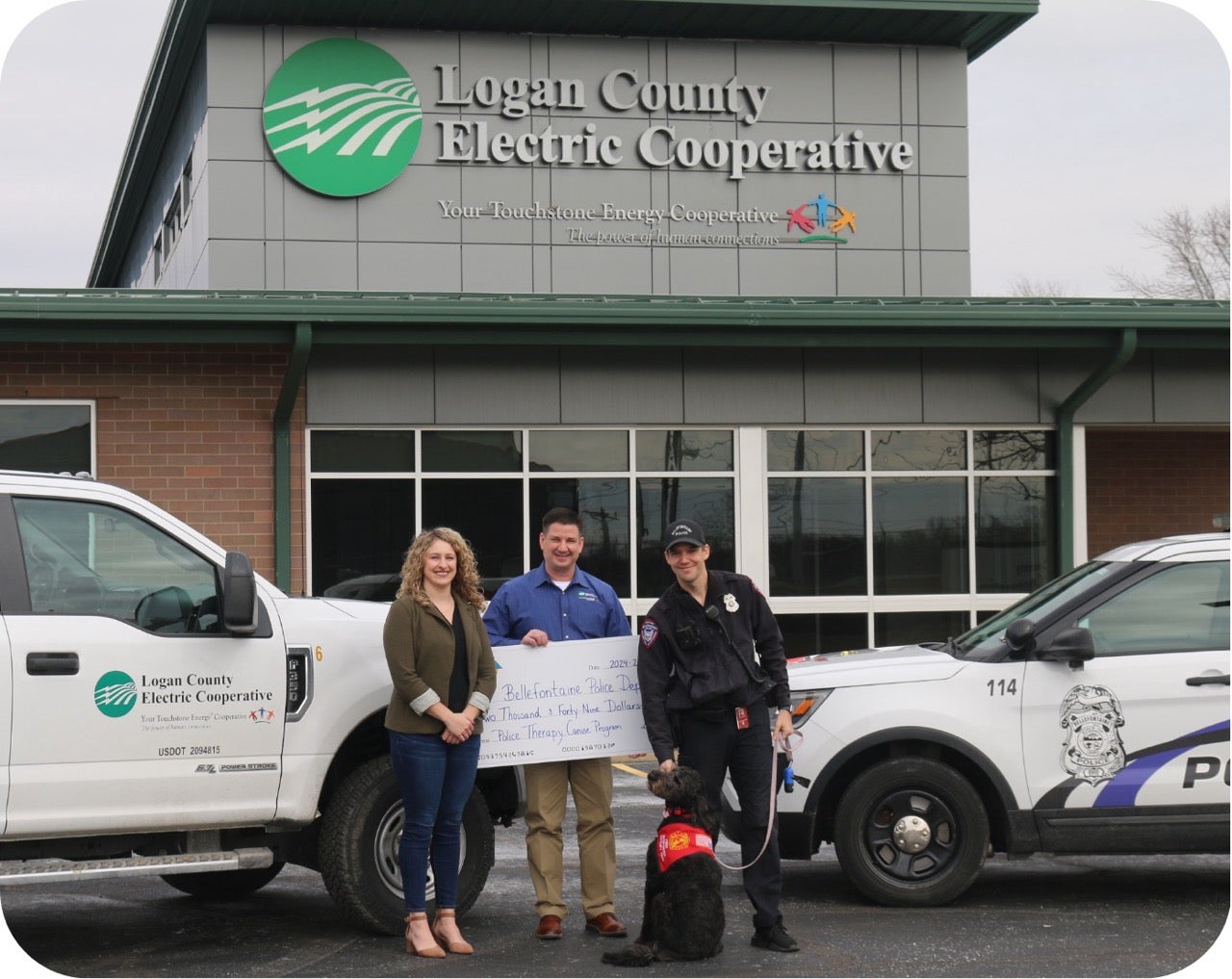
BPD Operation Round Up